Productivity Systems Hub
On this page12 sections
Index of the productivity systems I've tried, what stuck, and how they connect.
Core Productivity Systems
Task Management Systems
-
Getting Things Done (GTD) - David Allen's comprehensive productivity system
- Capture, Clarify, Organize, Reflect, Engage
- Inbox management and processing
- Context-based task lists
- Weekly reviews
-
Bullet Journal - Analog organization system
- Rapid logging methodology
- Monthly, weekly, daily logs
- Custom collections
- Migration practices
Goal & Habit Systems
-
Atomic Habits - James Clear's habit formation framework
- Cue, Craving, Response, Reward cycle
- 1% improvements
- Habit stacking
- Environmental design
-
SMART Goals - Goal-setting framework
- Specific, Measurable, Achievable, Relevant, Time-bound
- Progress tracking
- Regular reviews
Priority Management
Prioritization Frameworks
-
Eisenhower Matrix - Urgent vs Important
- Quadrant-based task sorting
- Focus on important non-urgent
- Delegation strategies
-
ICE Framework - Impact, Confidence, Ease
- Project prioritization
- Resource allocation
- Quick decision making
Time Management
⏰ Time Optimization
-
Time blocking strategies
- Calendar management
- Deep work sessions
- Buffer time planning
-
Pomodoro Technique
- 25-minute focus sessions
- Regular breaks
- Task estimation
Planning Systems
- Daily planning routines
- Weekly reviews
- Monthly goal setting
- Quarterly planning
Personal Knowledge Management
Note-Taking Systems
- Zettelkasten Method - Interconnected note system
- Progressive Summarization - Layered highlighting approach
- Atomic Notes - Single-concept notes
- Note Linking - Creating knowledge networks
Information Organization
- Knowledge Management Systems - Structured information storage
- Knowledge Organization - Categorization methods
- Digital Garden - Public learning repository
- Maps of Content - Topic organization
Workflow Optimization
Process Improvement
- Standard operating procedures
- Automation opportunities
- Template creation
- Batch processing
Tool Integration
- Digital tool stacks
- Cross-platform workflows
- Backup systems
- Sync strategies
Energy Management
Peak Performance
- Energy Management - Managing personal energy
- Flow State - Achieving flow states
- Ultradian rhythms
- Rest and recovery
Mindfulness & Focus
- Meditation practices
- Attention training
- Distraction management
- Digital minimalism
Career Productivity
Professional Systems
- Career Planning - Strategic career management
- Professional Development - Continuous improvement
- Job Search Strategy - Organized job hunting
- Application Tracking System - Application management
Performance Tracking
- Career Achievements - Achievement documentation
- Skills Matrix - Skill assessment
- Learning Log - Learning progress
Health & Wellness Integration
Physical Productivity
Mental Clarity
- Mental Health - Psychological wellbeing
- Stress Management - Stress reduction techniques
- Wellness Journal - Health tracking
Implementation Strategies
Getting Started
- Assess current systems
- Choose one system to implement
- Start small and iterate
- Track progress
- Adjust as needed
Continuous Improvement
- Regular system reviews
- Experimentation mindset
- Metric tracking
- Community learning
Quick Reference Tools
Daily Productivity Checklist
- Morning planning session
- Priority task identification
- Time blocking
- Deep work session
- Email/communication batch
- End-of-day review
- Tomorrow's preparation
Weekly Review Template
- Clear all inboxes
- Review project status
- Update task lists
- Plan upcoming week
- Reflect on improvements
- Celebrate wins
System Integration
Related Hubs
- Skills Development Hub - Productivity for learning
- Interview Preparation Hub - Job search productivity
- Professional Writing Hub - Writing productivity
Framework Connections
- All Frameworks - Complete framework library
- Personal Development - Holistic growth
- Leadership Development - Leadership productivity
Common Pitfalls to Avoid
- System overwhelm - Trying too many at once
- Perfectionism - Spending too much time on the system
- Rigidity - Not adapting to changing needs
- Tool obsession - Focusing on tools over outcomes
Productivity Truth The best productivity system is the one you actually use. Start simple, stay consistent, and evolve based on what works for you.
Last updated: {{date}}
Further reading
David Allen Company
GTD Setup Guide: Understanding the GTD Best Practices
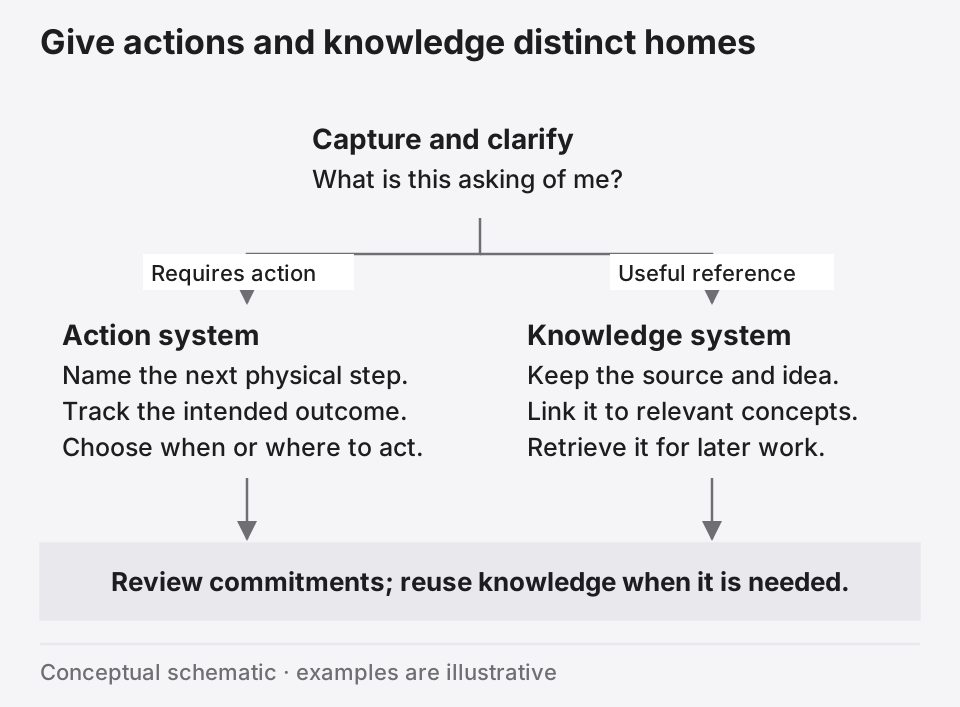
Separate commitments from reference material and keep next actions visible through regular review.
Andy Matuschak
Evergreen notes should be concept-oriented
Organize reusable knowledge around concepts that can connect across books and projects.
Connected notes
- Application Tracking System
- Atomic Notes
- Bullet Journal
- Career Achievements
- Career Planning
- Digital Garden
- Energy Management
- Flow State
- Atomic Habits
- Eisenhower
- Frameworks
- GTD
- ICE
- Environmental Design
- Exercise
- Mental Health
- Nutrition
- Sleep
- Stress
- Wellness Journal
- Interview Preparation Hub
- Job Search Strategy
- Knowledge Management Systems
- Knowledge Organization
- Knowledge Management and Personal Growth Synthesis
- Leadership Development
- Learning and Career Development Synthesis
- Learning Log
- Maps of Content
- Note Linking
- Personal Development
- Productivity and Health Synthesis
- Professional Development
- Professional Writing Hub
- Progressive Summarization
- Atomic Habits: An Easy & Proven Way to Build Good Habits & Break Bad Ones
- Feel-Good Productivity: How to Do More of What Matters to You
- Remote Work Notes
- Skills Development Hub
- Skills Matrix
- Zettelkasten Method