Job Search Strategy
On this page6 sections
A successful job search requires a well-planned strategy combining multiple approaches and tools. According to LinkedIn, 85% of jobs are filled through networking, making it crucial to balance online applications with personal connections. See Networking Strategy for detailed networking approaches.
Search Foundation
Target Definition
Before beginning your search, clearly define your parameters using the Career Goals Framework:
- Role requirements
- Industry preferences
- Company culture fit
- Location flexibility
- Compensation expectations
Market Research
Understanding the job market helps focus your efforts. Use Industry Analysis tools to research:
- Growth sectors
- Company expansions
- Emerging roles
- Market trends
Search Channels
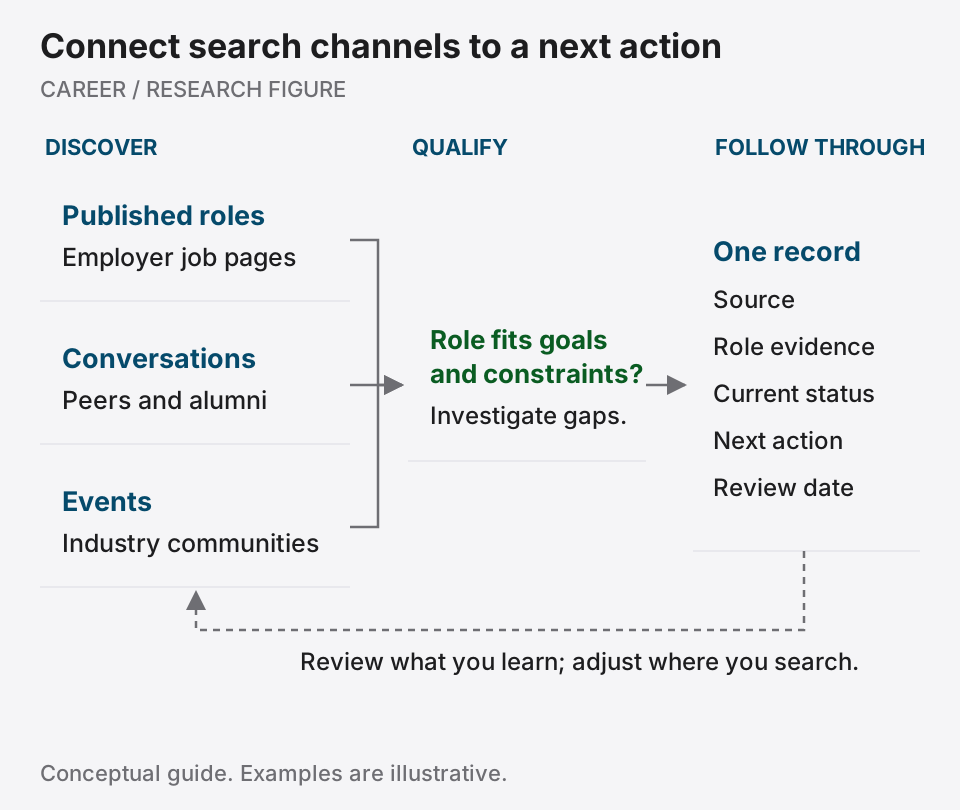
Modern job searching requires a multi-channel approach. The Job Search Funnel helps track progress across:
Online Platforms
- LinkedIn Jobs
- Industry job boards
- Company careers pages
- AngelList for startups
Network Activation
Leverage your Professional Network through:
- Alumni associations
- Industry groups
- Former colleagues
- Mentors and advisors
Application Strategy
Application Management
Use software like Teal:
- Application status
- Follow-up timing
- Interview scheduling
- Offer management
Documentation
Maintain updated versions of your application materials:
- Resume Versions
- Cover Letter Templates
- Portfolio Examples
- Reference List
Interview Preparation
Comprehensive interview preparation increases success rates. Follow the Interview Success Framework for:
Research Phase
- Company background
- Role requirements
- Industry trends
- Interviewer profiles
Practice Phase
- Mock interviews
- Technical preparation
- Behavioral examples
- Case study practice
Resources
- Job Search Toolkit
- Interview Preparation
- Company Research Template
- Glassdoor Company Reviews
Related Notes
- Career Direction Framework
- Career Journey
- Salary Negotiation
Further reading
MIT Career Advising & Professional Development
Resources & Advice
Explore practical routes into a job search, including informational interviews, networking and job listings.