Professional Development
On this page5 sections
Development Areas
Technical Growth
- Core skills advancement
- New technology adoption
- Tool proficiency
- Best practices
Leadership Growth
- People management
- Strategic thinking
- Decision making
- Influence building
Business Acumen
- Industry knowledge
- Market understanding
- Financial literacy
- Strategic planning
Development Methods
Formal Learning
- Certifications
- Training programs
- Academic courses
- Professional workshops
Experiential Learning
- Project leadership
- Cross-functional work
- Mentoring others
- Innovation initiatives
Network Building
- Industry events
- Professional groups
- Thought leadership
- Community engagement
Implementation
Planning
- Goal setting
- Resource identification
- Timeline development
- Progress metrics
Execution
- Regular practice
- Feedback loops
- Skill application
- Knowledge sharing
Best Practices
- Set specific development goals
- Track progress regularly
- Seek feedback actively
- Apply learning immediately
- Share knowledge with others
Related Resources
- Learning Plan - Structured learning approach
- Career Planning - Long-term career strategy
- Skills Matrix - Skill assessment framework
- Skills Development Hub - Comprehensive skill building
- Career Development - Career growth strategies
- Interview Preparation - Interview readiness
- Salary Negotiation - Compensation strategies
- Leadership Development - Leadership growth path
- Deliberate Practice - Focused skill improvement
- Active Learning - Engagement techniques
Further reading
U.S. Office of Personnel Management
Individual Development Planning
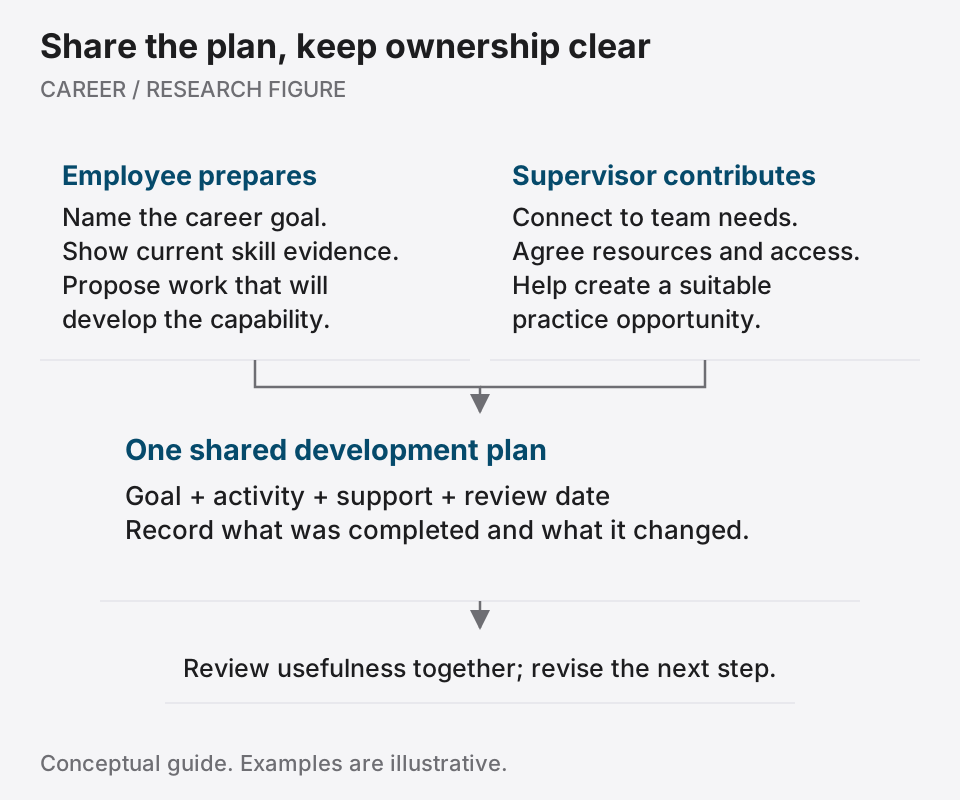
Connect development goals to learning activities and review whether those activities produced the intended progress.
Connected notes
- Active Learning
- Business Acumen
- Career Development
- Career Frameworks
- Career Goals Framework
- Career Journey
- Career Milestones Tracker
- Career Planning
- Career Roadmap
- Career Transition Guide
- Deliberate Practice
- Interview Preparation Hub
- Interview Preparation
- Leadership Development
- Learning Plan
- Learning and Career Development Synthesis
- Productivity Systems Hub
- Professional Writing Hub
- Deep Learning
- Feel-Good Productivity: How to Do More of What Matters to You
- Grit: The Power of Passion and Perseverance
- Mindset: The New Psychology of Success
- The Courage to Be Disliked: The Japanese Philosophy That Will Transform Your Life
- The Remains of the Day
- Skills Development Hub
- Skills Development
- Skills Matrix
- Technical Skills Roadmap 2025