Interview Preparation
On this page7 sections
Core Principles
Preparation Framework
- Research - Company, role, industry, interviewer
- Practice - Mock interviews, behavioral stories, technical skills
- Present - Communication, body language, professional presence
- Follow-up - Thank you notes, next steps, feedback
Interview Mindset
- Be authentic - Show your genuine self while maintaining professionalism
- Stay curious - Ask thoughtful questions throughout
- Think aloud - Share your reasoning process
- Listen actively - Engage fully with the interviewer
Interview Types
- Behavioral Interviews - Past experience and situations
- Technical Interviews - Skills and problem-solving
- Case Interviews - Business problem analysis
- System Design Interviews - Architecture and scaling
- Product Design Interviews - Product thinking and creativity
Preparation Checklist
See detailed Interview Prep Checklist
Key Strategies
Research
- Study company mission, values, products
- Understand industry trends and challenges
- Review recent news and announcements
- Research your interviewers on LinkedIn
Practice
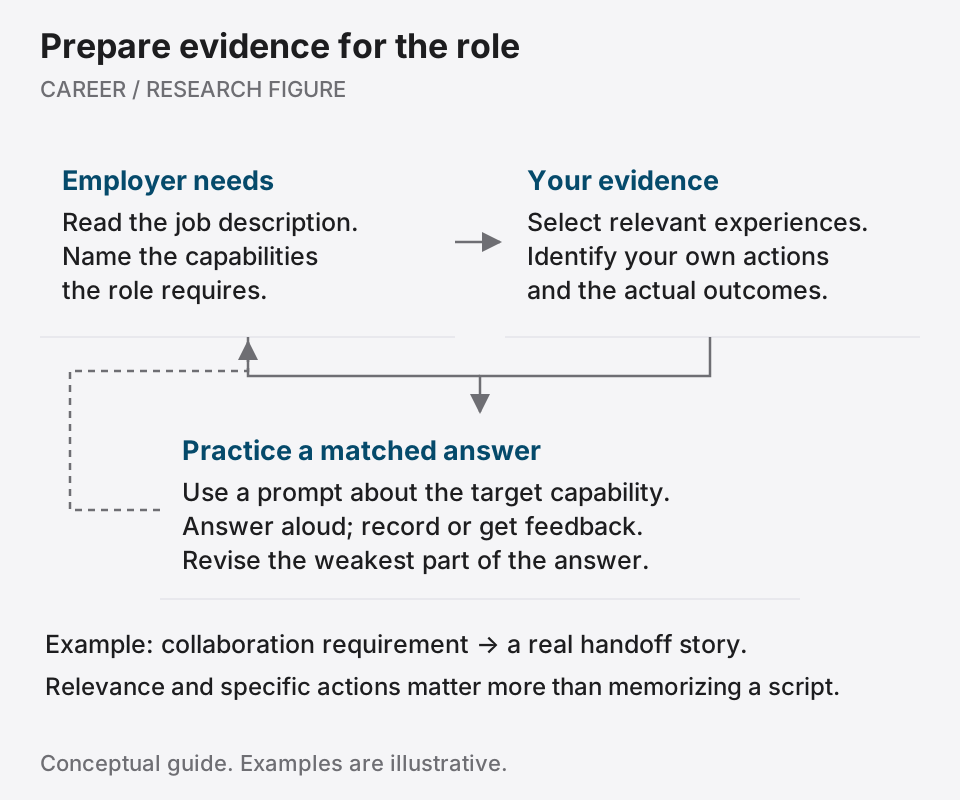
- Conduct mock interviews regularly
- Record and review your responses
- Time your answers (STAR format)
- Get feedback from peers/mentors
Communication
- Use the STAR Method for behavioral questions
- Practice Product Frameworks for design questions
- Develop clear, structured responses
- Prepare relevant examples and metrics
Questions to Ask
- Role expectations and success metrics
- Team structure and collaboration
- Product strategy and roadmap
- Career growth opportunities
Common Pitfalls
- Lack of specific examples
- Not showing enthusiasm
- Missing key company research
- Poor question preparation
- Weak follow-up
] If out of work due to a non-work related injury, remember to look into [[Short Term Disability
].
Resources
- Interview Preparation
- Company Research Template
- Mock Interview Guide
- Interview Success Stories
Related Notes
- Open Questions
- Career Goals Framework
- Job Search Strategy
- Salary Negotiation
- Professional Development
Further reading
MIT Career Advising & Professional Development
Career toolkit: Interviewing
Match your experience to the role and rehearse answers that make your own actions clear.
MIT Career Advising & Professional Development
Interview Primer
Prepare examples, research and logistics with a practical guide to interview preparation.