Learning Atlas
On this page3 sections
A Learning Atlas is a systematic approach to organizing and navigating your personal knowledge base. It serves as the knowledge-based component of the three spaces in Personal Knowledge Management.
Core Functions
Knowledge Organization
- Structured categorization of information
- Clear navigation pathways
- Flexible organization systems
Knowledge Access
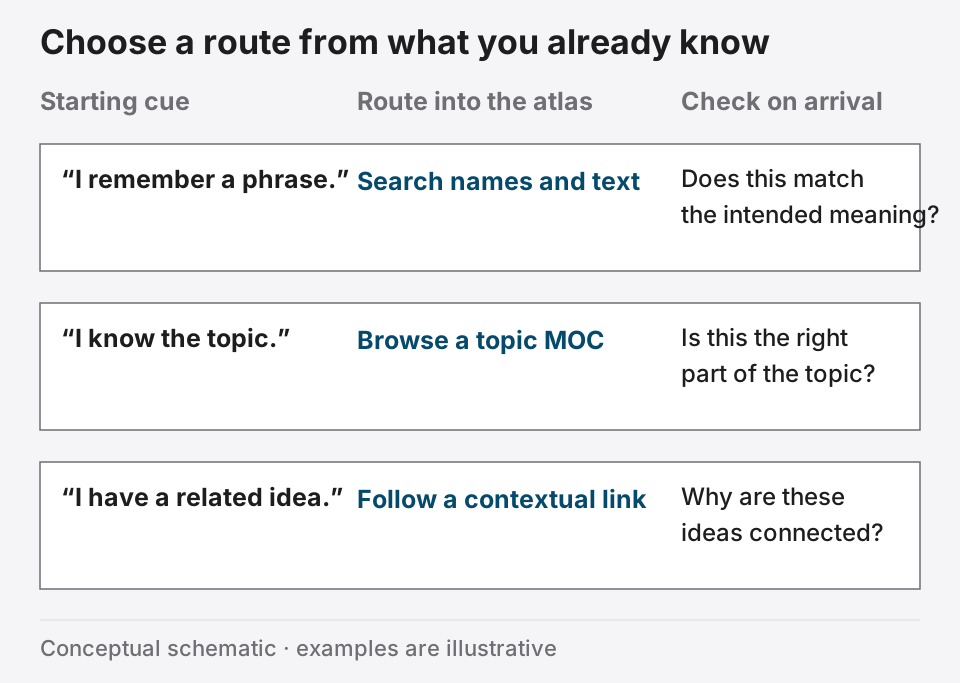
- Quick retrieval of information
- Efficient search capabilities
- Contextual linking between related concepts
Implementation
Building Blocks
- Tags for categorization (like #fleeting)
- Habit formation for consistent use
- Regular review and maintenance
Integration Methods
- Connect with existing workflows
- Link to tracking systems
- Align with Learning objectives
Best Practices
- Maintain consistent structure
- Update regularly
- Focus on practical application
- Build meaningful connections
Tip
Effective Use Your Learning Atlas should evolve with your knowledge and needs, serving as a dynamic tool rather than a static repository.
Further reading
Nick Milo, Linking Your Thinking
MOCs Overview
Build flexible navigation maps that help you return to a topic and follow related ideas.