SMART Goals
On this page4 sections
A systematic framework for setting clear, actionable health and fitness goals that are more likely to be achieved through structured planning.
Core Components
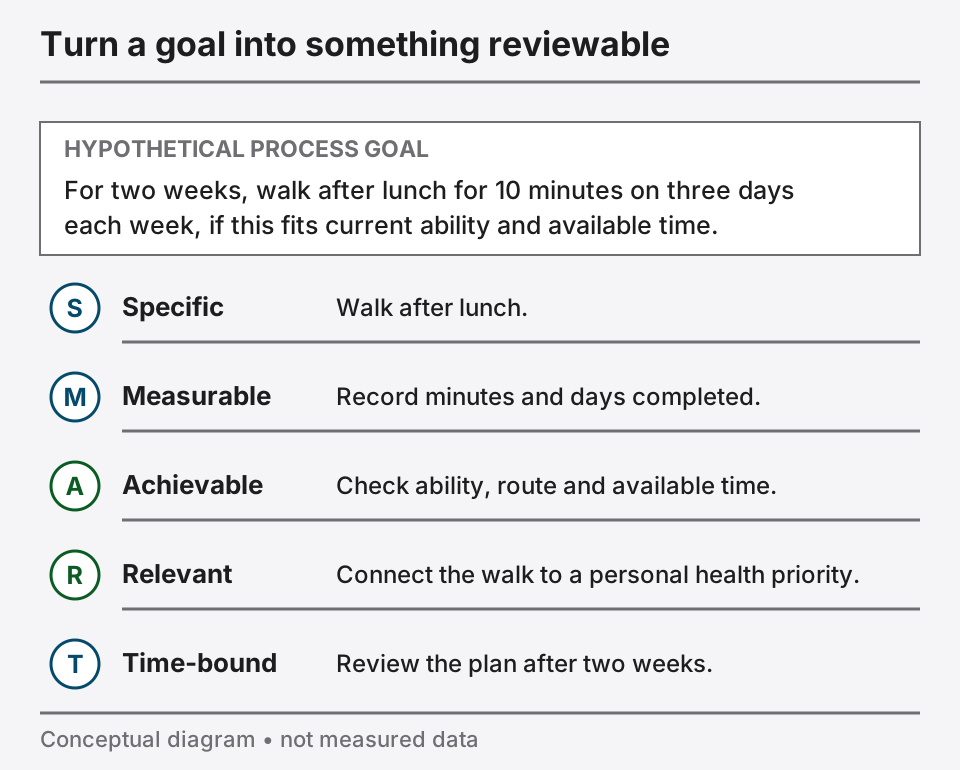
- Specific: Define precise, unambiguous health objectives (e.g. "Run 5k" vs "Exercise more")
- Measurable: Include concrete metrics to track progress (e.g. weight, reps, distance)
- Achievable: Set realistic goals based on current fitness level and resources
- Relevant: Align with broader health priorities and lifestyle goals
- Time-bound: Establish clear deadlines and milestones for accountability
Implementation
- Start with a clear vision of desired health outcomes
- Break larger goals into smaller milestones
- Track progress using quantifiable metrics
- Review and adjust goals periodically
- Celebrate achieving key milestones
Best Practices
- Write goals in positive, action-oriented language
- Focus on process goals alongside outcome goals
- Build in accountability mechanisms
- Link to broader personal growth objectives
Related
- Atomic Habits - for implementing health goals
- 5-Year Life Plan - which uses SMART framework
- Career Goals Framework - SMART goals apply across domains
Further reading
Centers for Disease Control and Prevention
SMART Framework
Make a goal specific and reviewable while keeping its timeline realistic for available resources.