Circadian Rhythm
On this page3 sections
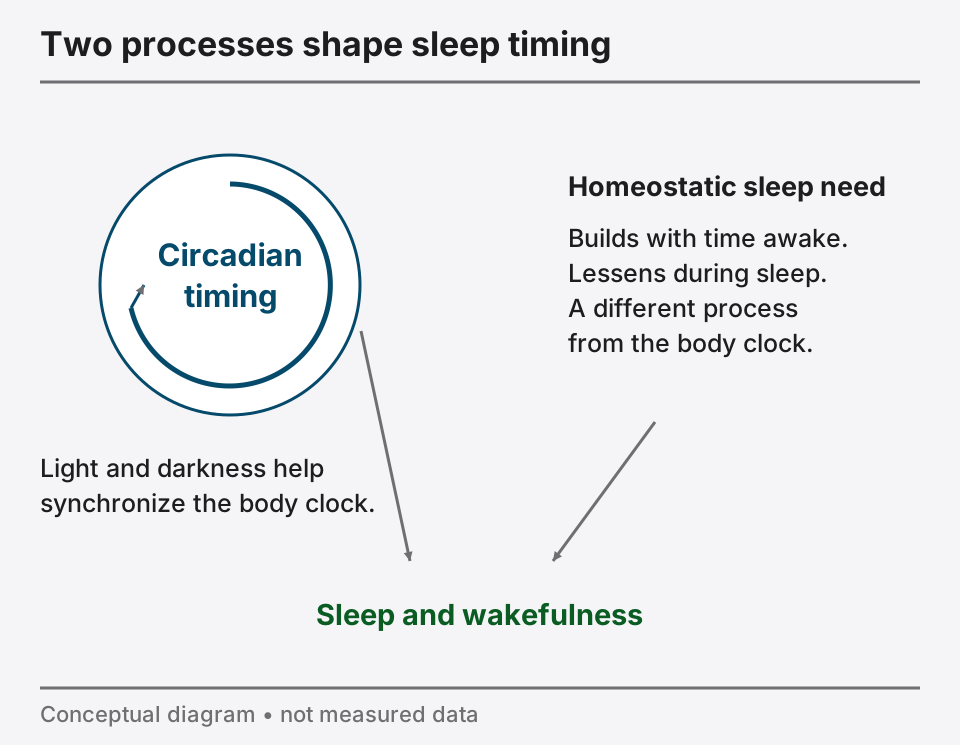
Circadian Rhythm refers to the body's natural 24-hour cycle that regulates sleep, wakefulness, and other physiological processes.
Core Components
Sleep-Wake Cycle
- Sleep timing
- Wakefulness periods
- Light exposure
Biological Processes
- Hormone regulation
- Body temperature
- Metabolic functions
Environmental Influences
- Light and darkness
- Meal timing
- Activity levels
Application
-
Sleep Optimization
- Consistent sleep schedule
- Light management
- Relaxation techniques
-
Health and Wellness
- Energy management
- Mood regulation
- Cognitive function
Best Practices
- Maintain regularity
- Limit screen time
- Prioritize sleep
Further reading
National Heart, Lung, and Blood Institute
How Sleep Works: Your Sleep/Wake Cycle
Understand how time awake and the light-dark cycle work together to influence sleep.