Aging Well
On this page4 sections
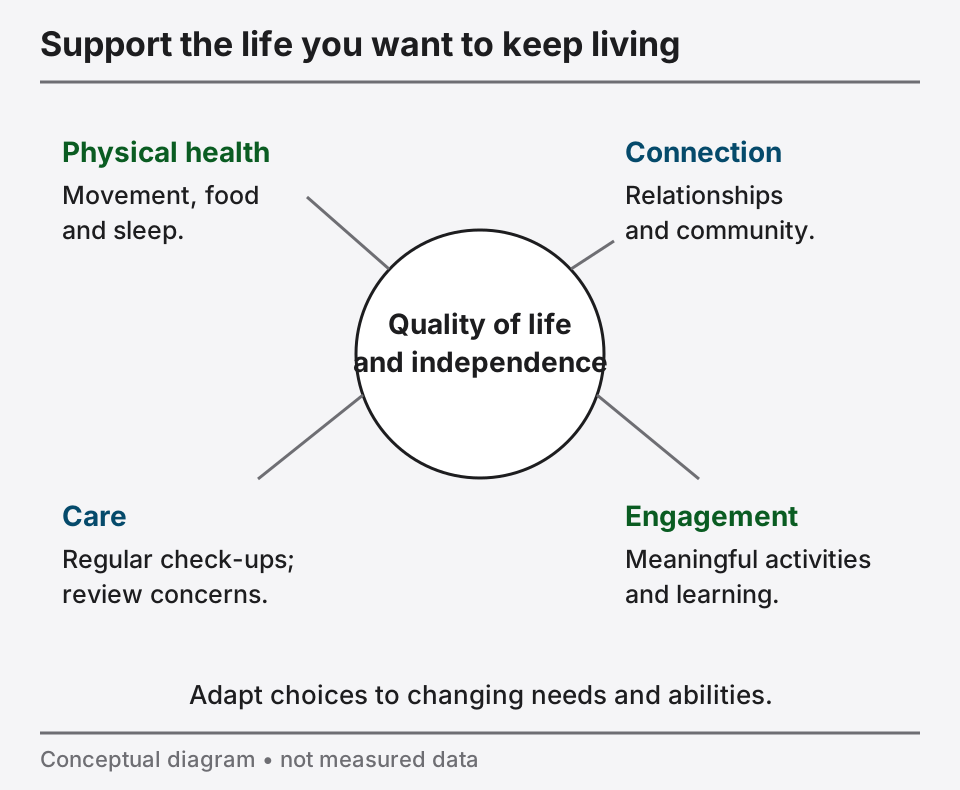
Evidence-based strategies for maintaining health, vitality, and quality of life throughout the aging process.
Key Areas
Physical Activity
- Regular exercise tailored to current ability
- Focus on strength, balance, and flexibility
- Adapt activities as needs change
Nutrition
- Balanced diet with nutrient-dense foods
- Adequate protein for muscle maintenance
- Hydration awareness
Mental Stimulation
- Lifelong learning and cognitive challenges
- New skills and hobbies
- Mental exercises and puzzles
Social Connections
- Maintaining relationships and community involvement
- Regular social activities
- Intergenerational connections
Preventive Care
- Regular health check-ups and age-appropriate screenings
- Proactive medication management
- Fall prevention strategies and home safety
- Bone density monitoring
- Vision and hearing assessments
Emotional Well-being
- Stress management techniques adapted for life stage
- Cultivating purpose and meaning in later years
- Adapting to life transitions gracefully
- Managing grief and loss
- Maintaining optimism and resilience
Related Notes
- Health - Main health hub
- Exercise - Physical activity guidelines
- Nutrition - Dietary guidance
- Mental Health - Emotional wellness strategies
- Preventive Care - Healthcare maintenance
- 5-Year Health and Wellness Plan - Long-term health planning
Tip
Quality Over Quantity Aging well is about quality of life, not just longevity. Focus on activities and habits that bring joy, purpose, and fulfillment to each day.
Further reading
MedlinePlus, U.S. National Library of Medicine
Healthy Aging
Consider movement, nutrition, mental activity, social connection and health care together.
National Heart, Lung, and Blood Institute
Healthy Sleep Habits
Support healthy aging with a consistent sleep schedule and a suitable sleep environment.