Kano
On this page3 sections
The Kano Model is a framework for feature prioritization based on customer satisfaction and expectations.
Components
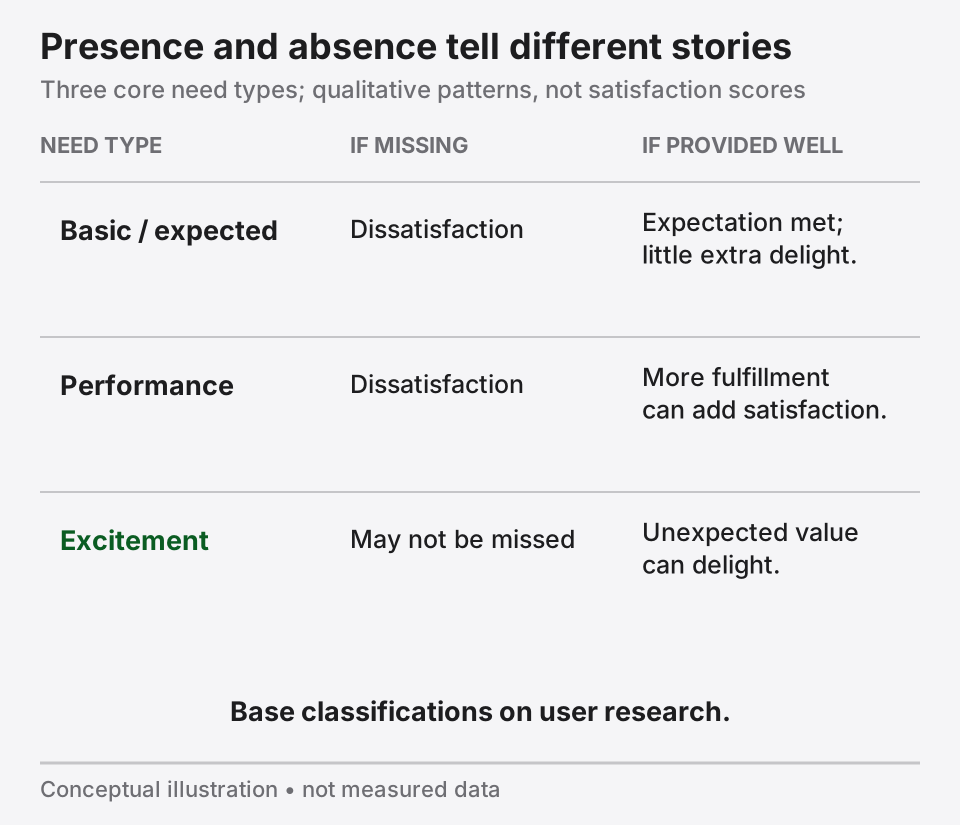
- Basic Features: Must-have features that users expect
- Performance Features: More is better, linear satisfaction
- Excitement Features: Delighters that exceed expectations
- Indifferent Features: Don't impact satisfaction
- Reverse Features: Features that decrease satisfaction
Usage
Used for determining which features to build and prioritize. Helps balance between essential features and delighters that differentiate the product.
Examples and Applications
Further reading
Sarah Gibbons, Nielsen Norman Group
5 Prioritization Methods in UX Roadmapping
Compare expected, performance and excitement features, and ground prioritization in user research.